
insulated bullet resistant glass
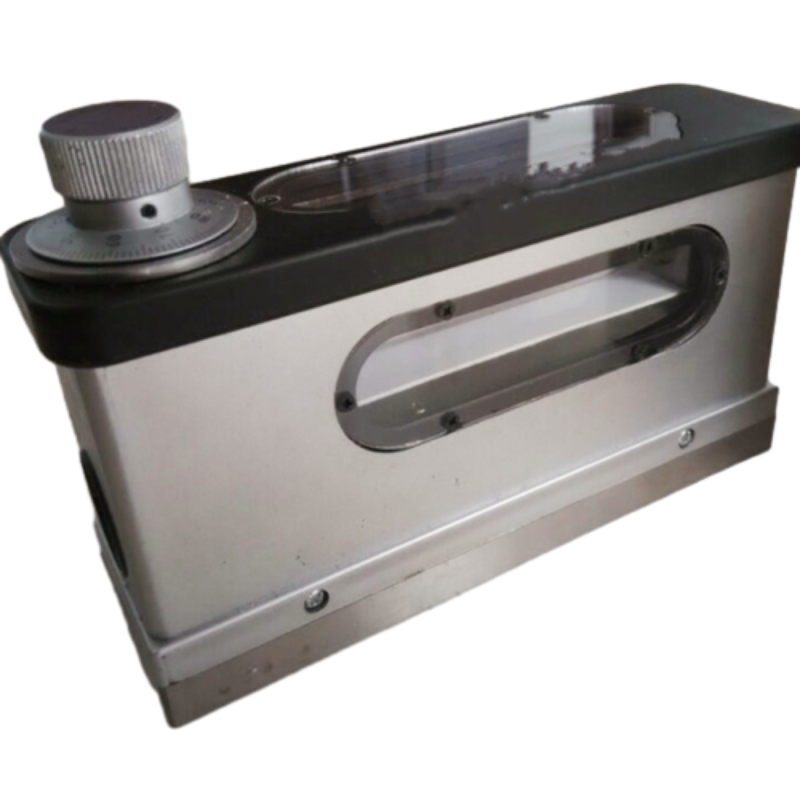
Engineering Measuring Tools Precision in Every Project In the realm of engineering, precision is paramount. Every project, whether it’s constructing a skyscraper or designing intricate machinery, demands accurate measurements . To achieve this, engineers rely on a variety of measuring tools that serve different purposes and ensure that every dimension is spot on. One of the most fundamental measuring tools in engineering is the ruler or measuring tape. These simple yet effective tools are essential for taking linear measurements. Often made from metal or flexible materials, a measuring tape can easily adapt to various shapes and sizes, making it perfect for both indoor and outdoor projects. Engineers must ensure that their measuring tapes are calibrated correctly to avoid errors in length, which can significantly affect the outcome of a project. Calipers are another vital tool in the engineering field. They come in various forms, such as vernier, dial, and digital calipers, each offering precise measurements of internal and external dimensions and depths. Digital calipers, in particular, have gained popularity due to their ease of use and ability to provide instant readings, reducing the risk of human error. By utilizing calipers, engineers can achieve measurements down to decimals, crucial for projects requiring tight tolerances. For even greater precision, engineers often turn to micrometers. These tools can measure thickness and small distances with an accuracy of one-thousandth of a millimeter. Micrometers are indispensable in fields like mechanical engineering, where the fit between components can affect the overall functionality of a machine. The ability to measure such minuscule dimensions ensures that parts fit together seamlessly without requiring excessive force, which could lead to wear and tear over time. engineering measuring tools In addition to these hand-held tools, engineers also utilize various electronic measuring devices, including laser distance meters and optical levels. Laser distance meters use laser technology to provide accurate distance measurements over long ranges, making them particularly beneficial in large-scale projects. Optical levels, on the other hand, are essential for surveying and constructing level surfaces, ensuring that buildings and structures are aligned correctly. Another innovative tool in modern engineering is the 3D scanner, which allows for non-contact measurement of objects in three dimensions. This technology captures the physical dimensions of parts and assemblies, enabling reverse engineering and quality control. Through advanced software, engineers can analyze the data for discrepancies, ensuring that all parts meet design specifications. The choice of measuring tools in engineering ultimately depends on the specific requirements of the project and the level of precision needed. While traditional tools like rulers and calipers remain important, advancements in technology offer engineers new ways to enhance accuracy and efficiency. In conclusion, engineering measuring tools are critical to the success of any engineering project. From simple rulers to advanced laser scanners, each tool plays an essential role in ensuring every measurement is precise. As technology continues to evolve, engineers can expect even more innovative tools that will enhance their ability to deliver high-quality results on time and within budget. The future of engineering relies on precision, and these measuring devices are at the forefront of that promise.
about
insulated bullet resistant glass
How to Change the Main Water Valve A Step-by-Step Guide Changing the main water valve in your home can seem like a daunting task, but with the right tools and a little guidance, it can be accomplished with ease. This essential component controls the flow of water into your home, and knowing how to replace it can save you from potential flooding or water damage. Here is a comprehensive step-by-step guide on how to change your main water valve safely and efficiently. Understanding the Main Water Valve The main water valve is typically located near where the water line enters your home, often found in the basement, crawlspace, or near the foundation. The valve allows you to shut off the water supply for repairs or emergencies, making it crucial for managing your household's plumbing system. Tools and Materials You'll Need Before you begin, gather the necessary tools and materials - Adjustable wrench or pipe wrench - Screwdriver - Hacksaw (if needed) - Replacement valve (matching your existing size and type) - Plumber’s tape - Towels or sponge (for any spills) - Bucket (to catch any residual water) Step 1 Shut Off the Water Supply This is the most important step. Locate your main water shut-off valve. If you're unsure where it is, turn on a faucet to identify which direction is the supply; then use that knowledge to find the valve. Once you locate it, turn the valve clockwise until it stops. This action will cut off the water flow to your home. Step 2 Drain the Lines Next, open faucets throughout your home to relieve pressure and drain any residual water in the pipes. Start with the highest faucet to allow gravity to help, then work your way down to the lowest . This step will help minimize any mess when you remove the old valve. Step 3 Remove the Old Valve how to change main water valve Using your adjustable wrench, loosen the nuts attaching the old valve to the water supply pipes. Depending on the type of connections (threaded, compression, etc.), you may need to adjust your approach. If the old valve is soldered, you may need a hacksaw to cut it out. Be cautious if you are cutting through metal; the area can become sharp. Step 4 Prepare for Installation Once the old valve is removed, clean the threads of the pipes to ensure there is no debris or old plumber’s tape left. This will help create a proper seal when the new valve is installed. Inspect the condition of the connecting pipes; if they show signs of corrosion or damage, you may need to address those issues before proceeding. Step 5 Install the New Valve Take your replacement valve and wrap the threads with plumber’s tape. This tape helps to create a watertight seal and makes it easier to screw on the new valve. Hand tighten the valve onto the pipes first, then use your wrench to secure it further, but avoid overtightening, which can damage the threads. Step 6 Turn the Water Supply Back On Once the new valve is securely in place, you can turn the main supply back on. Turn the valve counter-clockwise slowly to avoid sudden pressure changes. Check for leaks around the new valve as water begins to flow. Step 7 Test Everything After you have turned the water back on, inspect the installation for any signs of leaks. Open a few faucets in your home to allow water to flow through the plumbing system. This step ensures that everything is functioning correctly and that your new valve is operating as it should. Conclusion Replacing the main water valve in your home may seem challenging, but by following these steps, you can do it on your own, saving money on professional plumber costs. It’s always a good idea to familiarize yourself with your home’s plumbing system, and knowing how to replace your main water valve can empower you to handle future plumbing issues with confidence. If you encounter any complications or are uncertain about any step, don’t hesitate to consult a professional plumber. Your home’s water system deserves the best care and attention!
-

High quality industrial productsagement

High quality industrial products
View Details -

Meet the diverse needs of customers

Meet the diverse needs of customers
View Details -

Strict quality control

Strict quality control
View Details -

Top raw materials

Top raw materials
View Details -

Trusted supplier

Trusted supplier
View Details
Our application
news and information
vibration pad manufacturer
The Importance of Vibration Pads in Industrial Applications In today's fast-paced industrial environ
Valvola a saracinesca elettrica a tenuta morbida
La scelta e l'utilizzo corretti di una valvola a saracinesca da 150 mm sono fondamentali in numerose

vibration mounting pad
The Importance of Vibration Mounting Pads in Industry In today's fast-paced industrial environment,
 English